External Brass and Copper Lantern Restoration near Bath
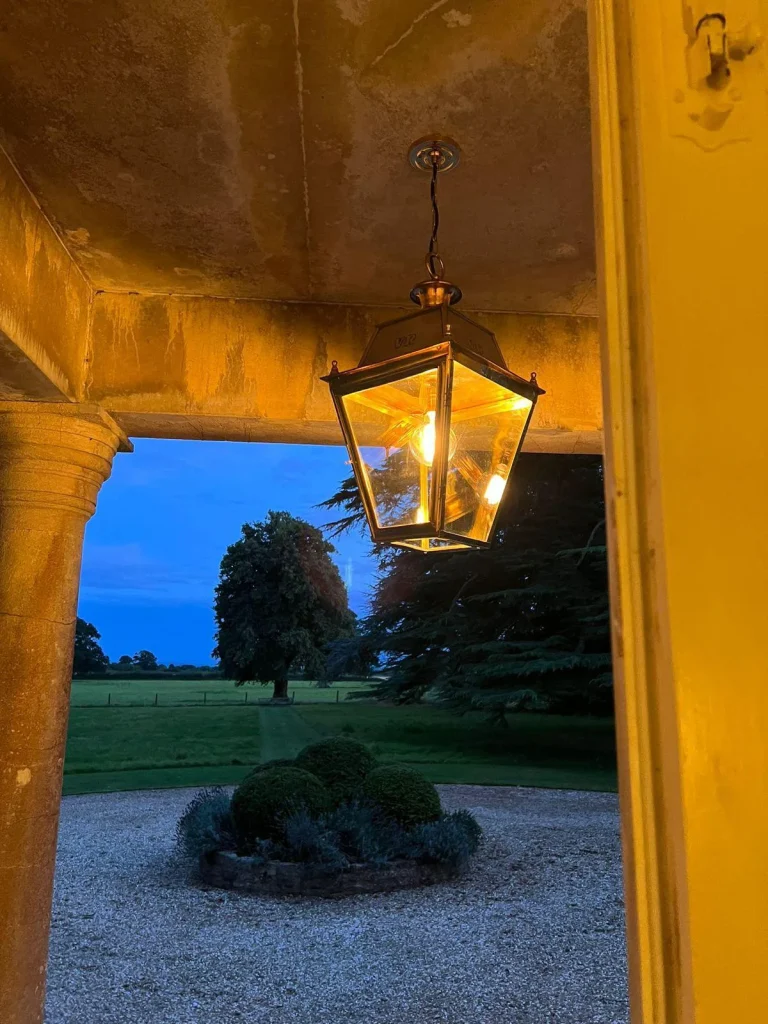
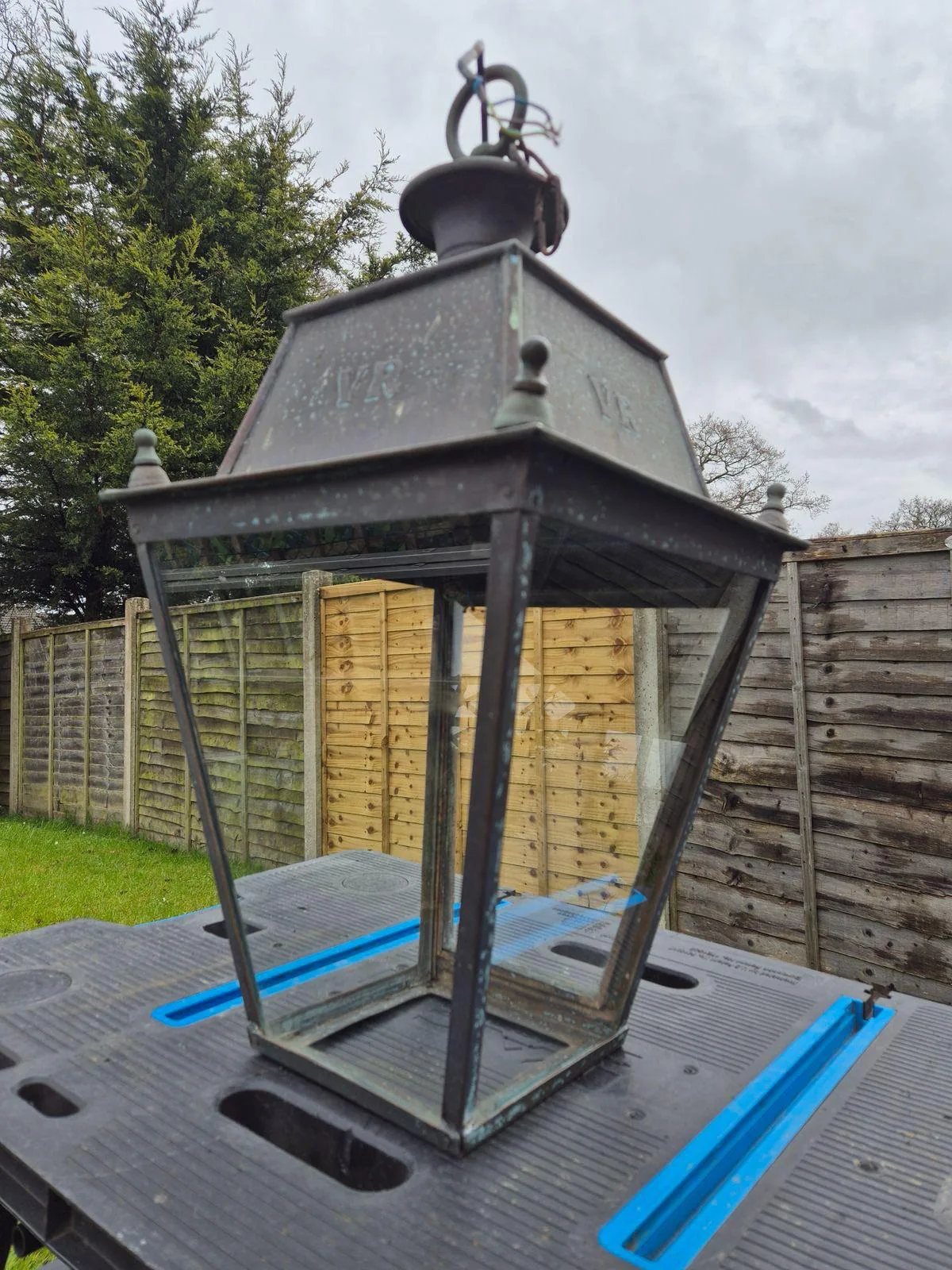
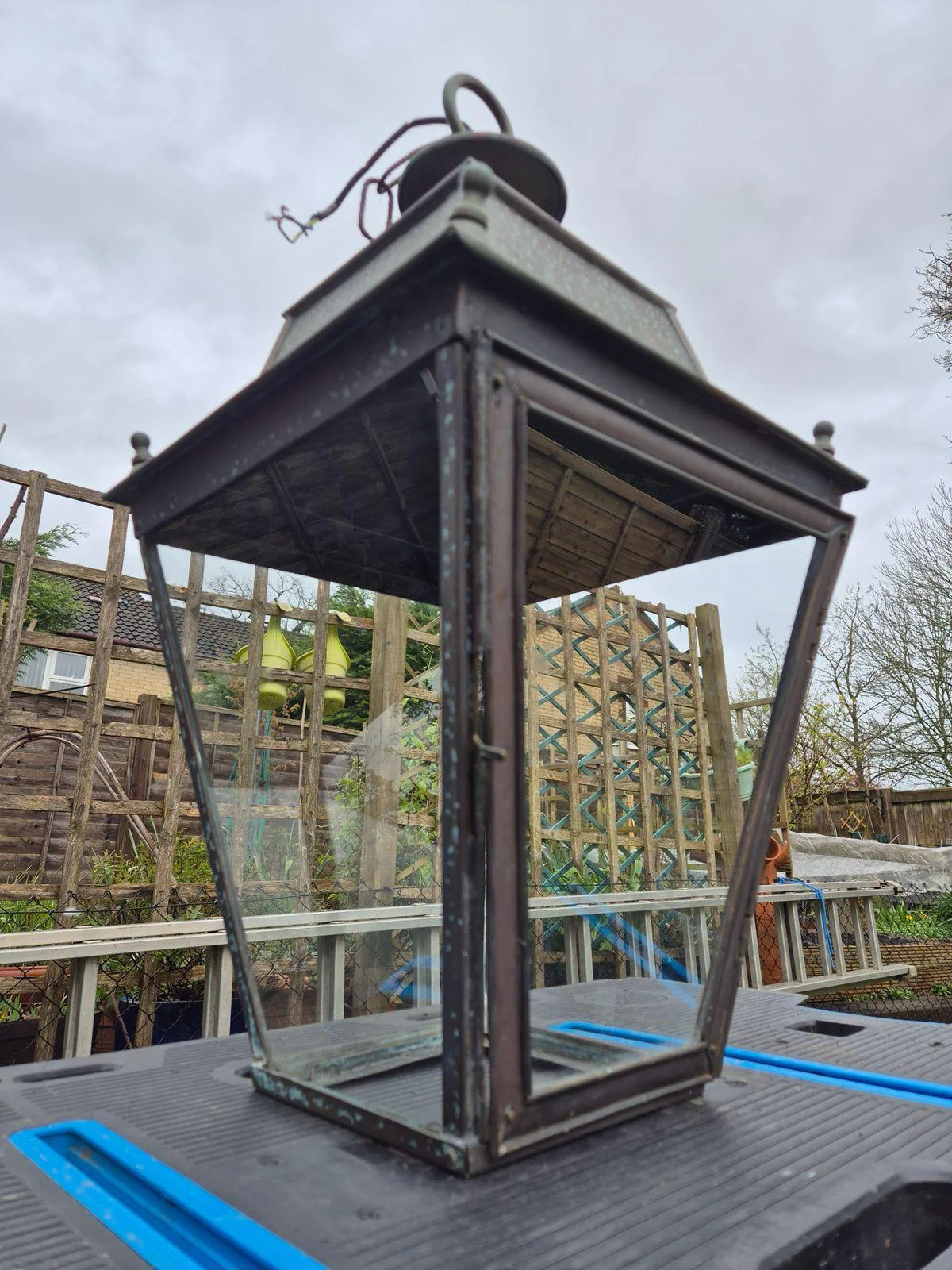
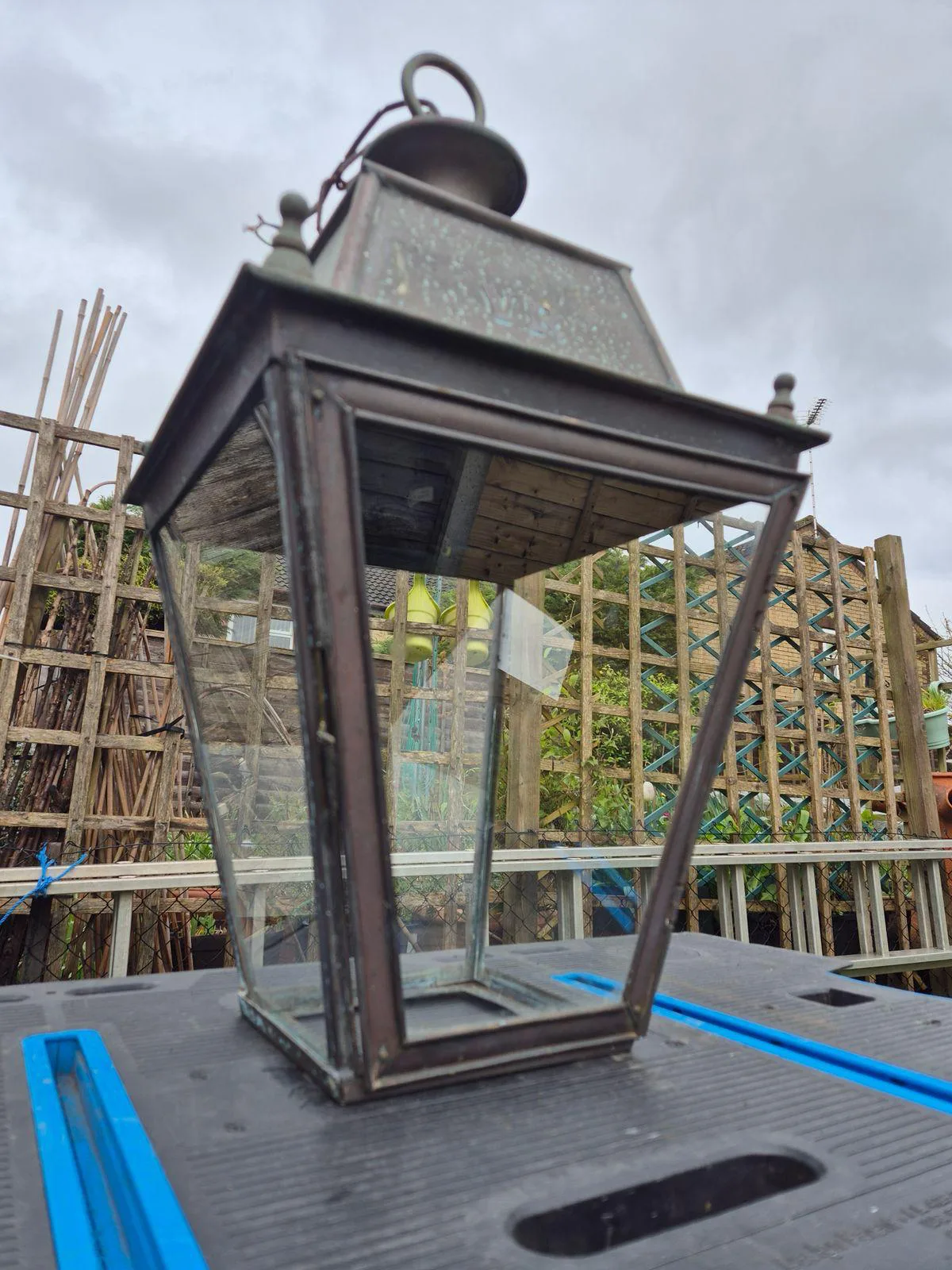
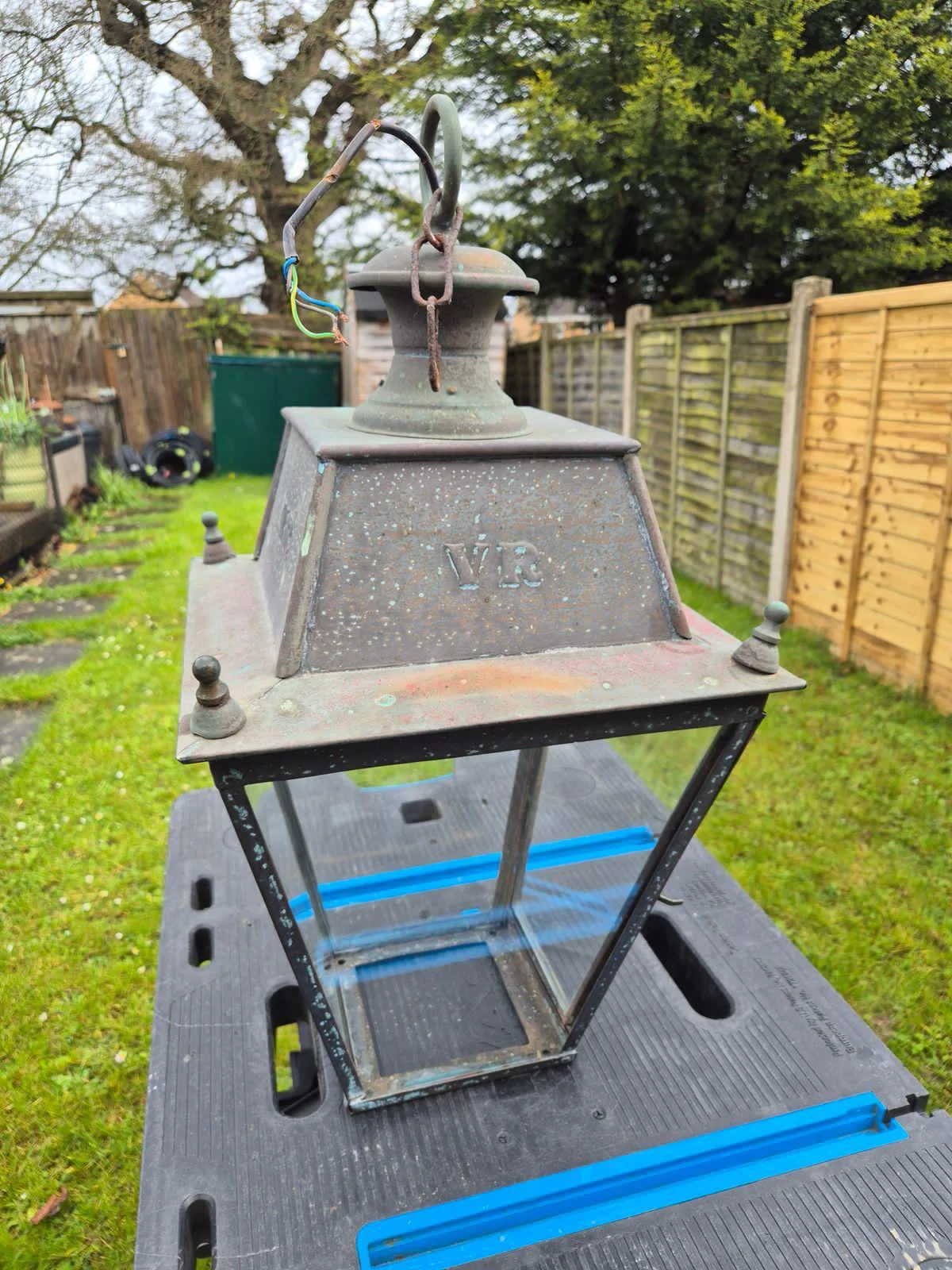
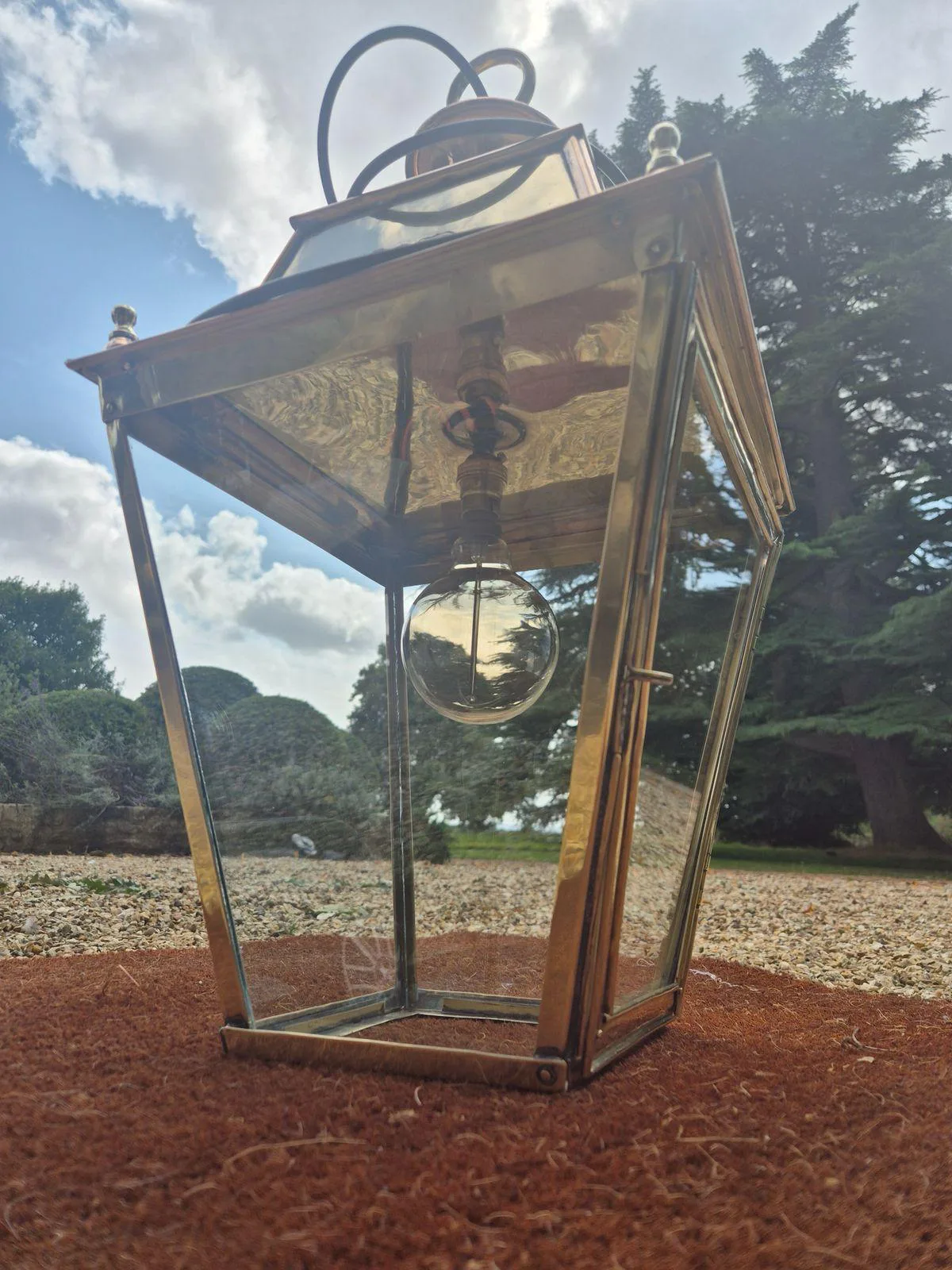
Nulectrics restored a rare handmade brass and copper external lantern at a domestic property just outside Bath. What started as an electrical inspection turned into a full restoration. The customer had been with us for many years, the fitting was worth saving, and we spent about a week and a half of staggered work rubbing it back and rewiring it before installing a new brass chain and earthing lug.
Products & Materials Used
- Wet and dry sandpaper Coarse grit progressing to 5,000 and 10,000
- Brasso Metal polish for the final finish
- Brass Replacement ceiling chain
The Challenge
A Failed Earth Test on a Class 1 Metallic Fitting
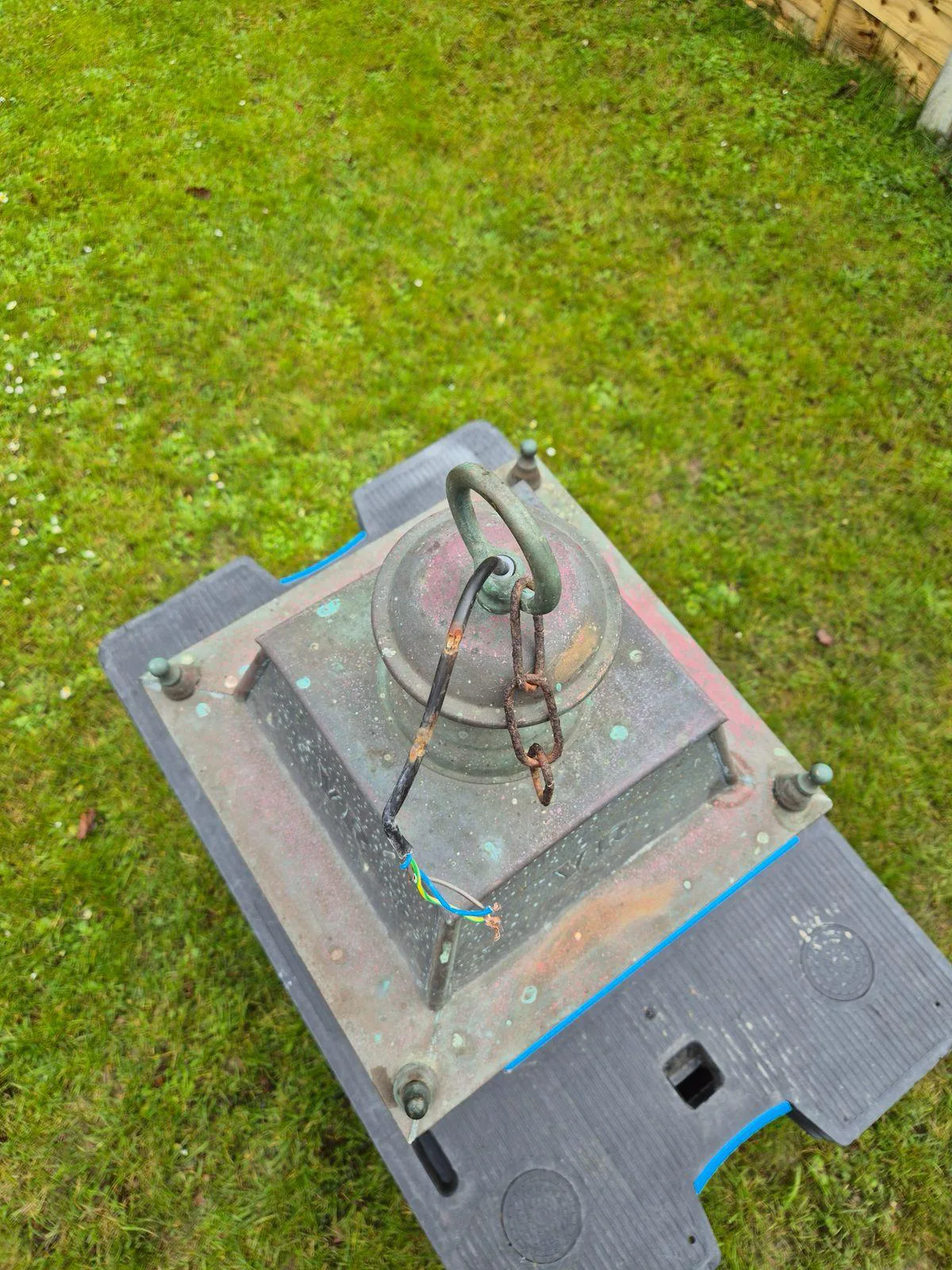
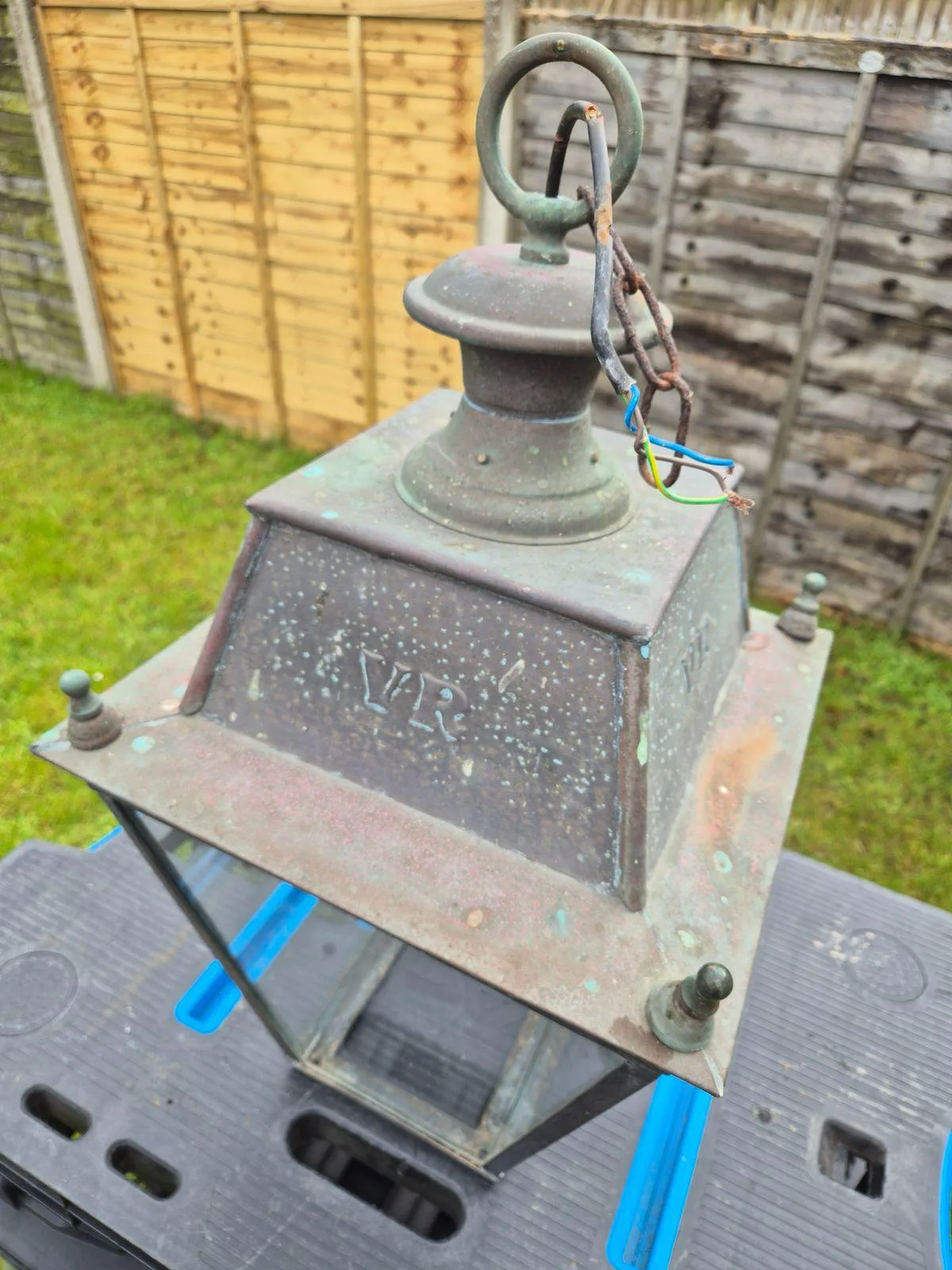
The customer’s external lantern had failed its earth test during our routine electrical inspection. It was a class 1 metallic fitting, meaning it needed a proper earth path, and the reading was very poor. The flexible cable coming down through the ceiling rose had been chewed through by a rusted steel chain moving in the wind, exposing copper. Any strong gust could have dropped the whole fitting.
Restoring a Rare Brass and Copper Fitting
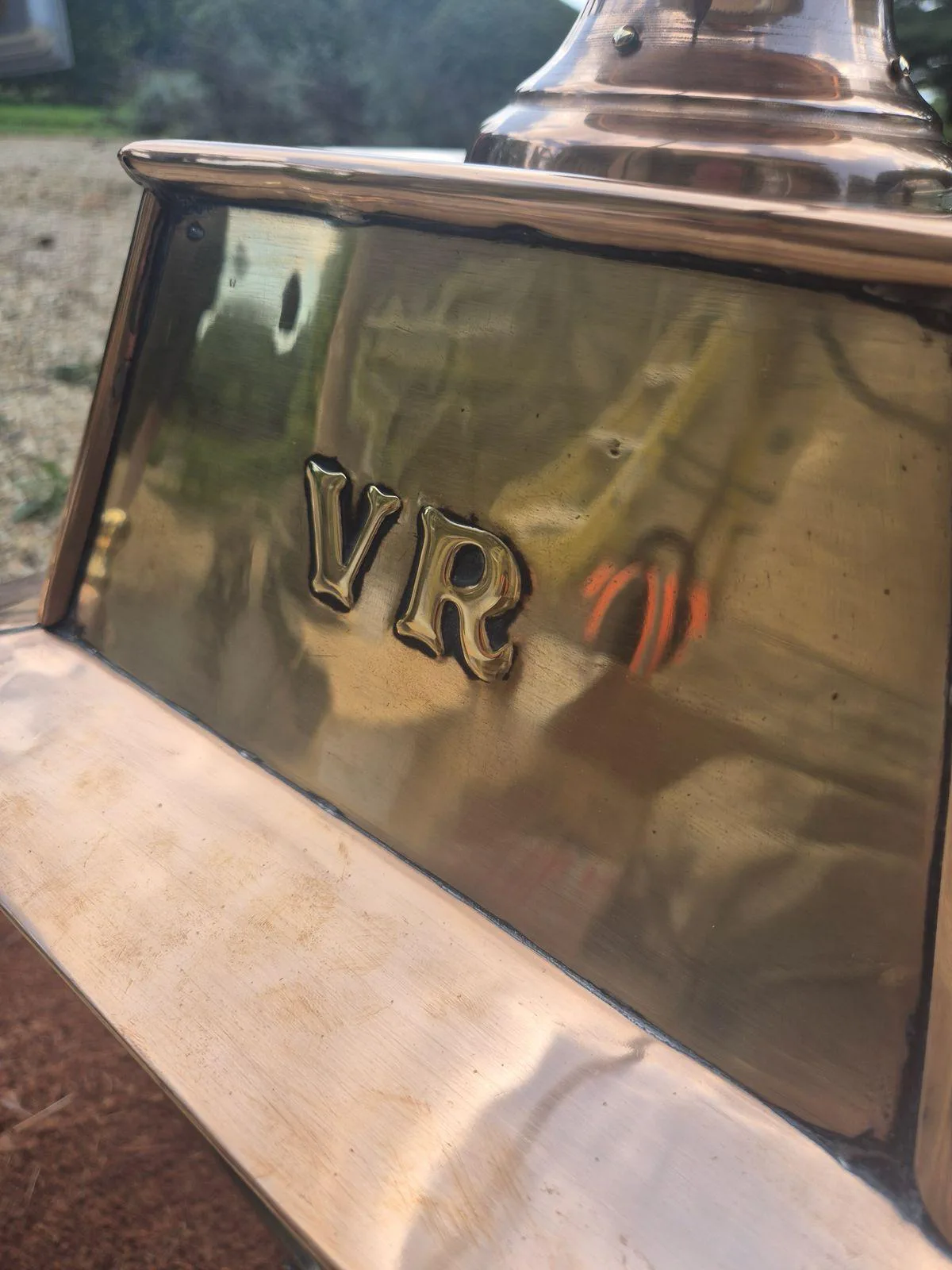
Once we started stripping the finish, we could see there was brass and copper underneath decades of blackening. The customer wanted us to restore it rather than replace it. The problem: once you commit to sanding a rare piece, you cannot un-commit. If it does not come up cleanly, you have destroyed a fitting you cannot buy again.
The Solution
Sanding, Polishing and Bringing Up the Shine
We started with polishing compounds. They cleaned it, but the timing was going to run into weeks and the customer would have paid a fortune. So we moved to wet and dry sandpaper, working from a coarse grade up through 5,000 and 10,000 grit, using water throughout. Then Brasso to bring the shine up at the end.
Rewiring, New Brass Chain and a Proper Earth Path
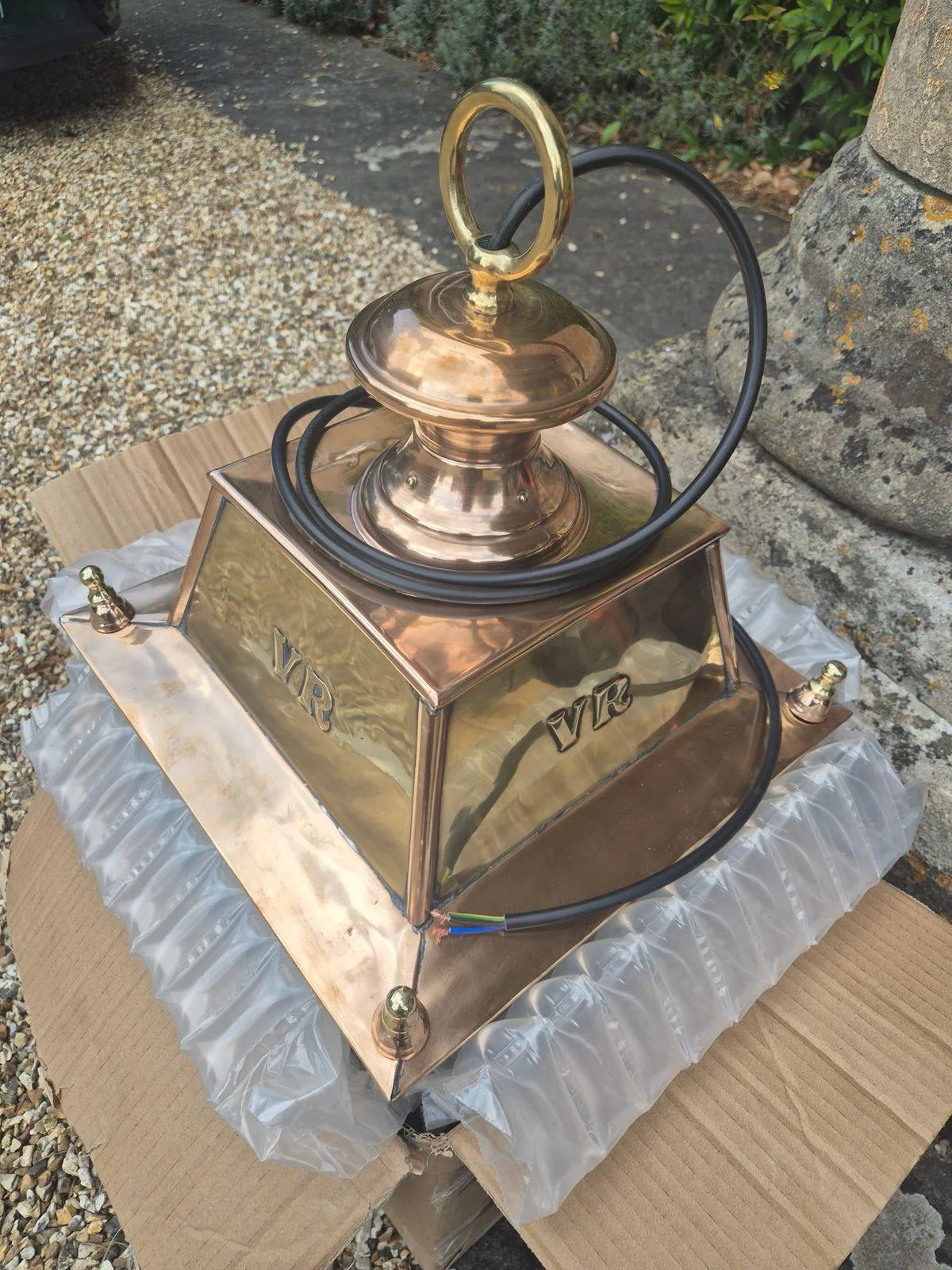
On the electrical side, we re-flexed the cable, fitted a new brass chain to match the fitting, and drilled the brass ceiling rose for an earthing lug with a brass nut and bolt. The rose was old enough that it never had an earthing point from the factory. Without adding one, the installation could not be signed off as compliant.
The Result: A Restored Lantern That Passes Its Earth Test
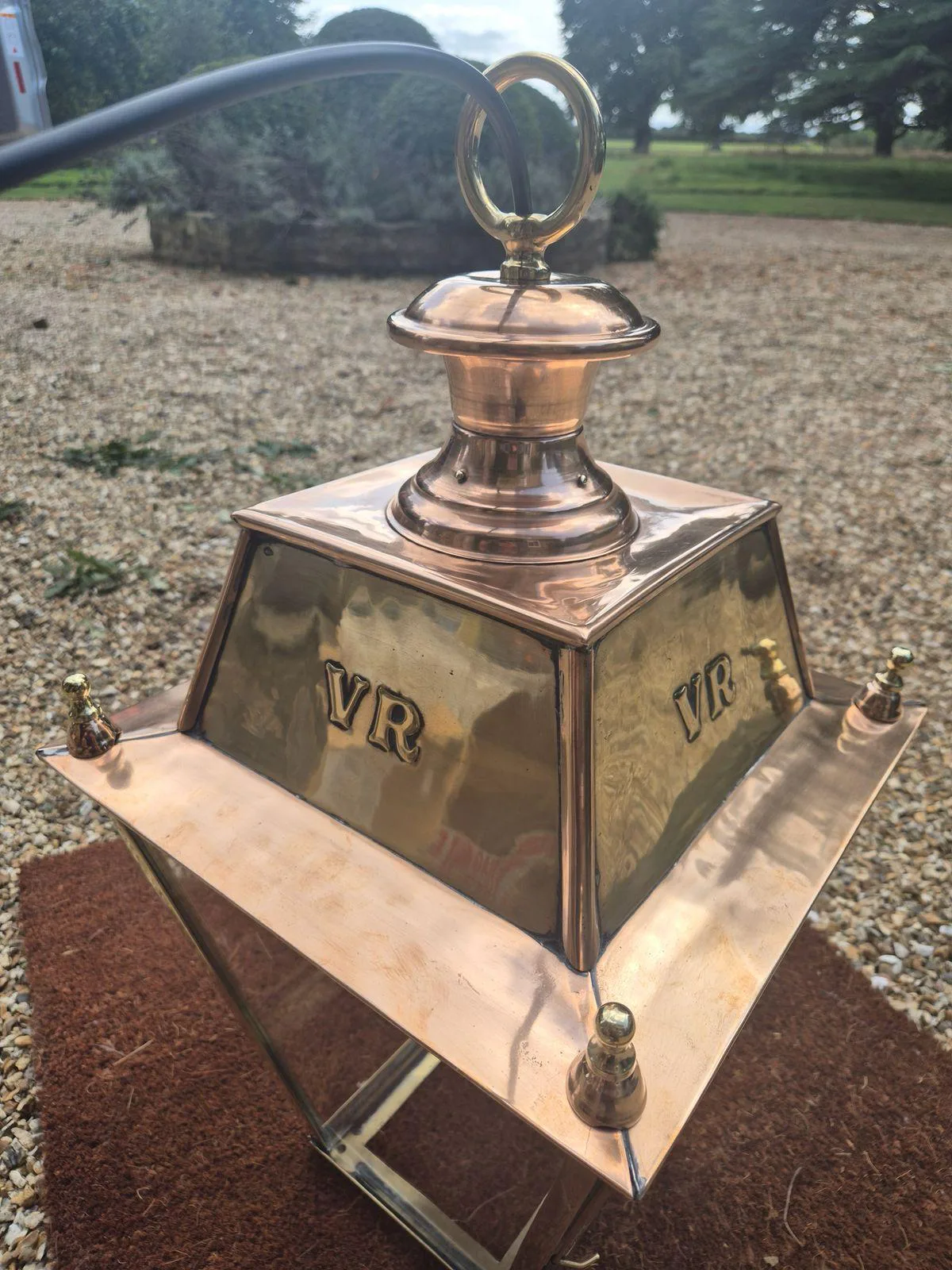
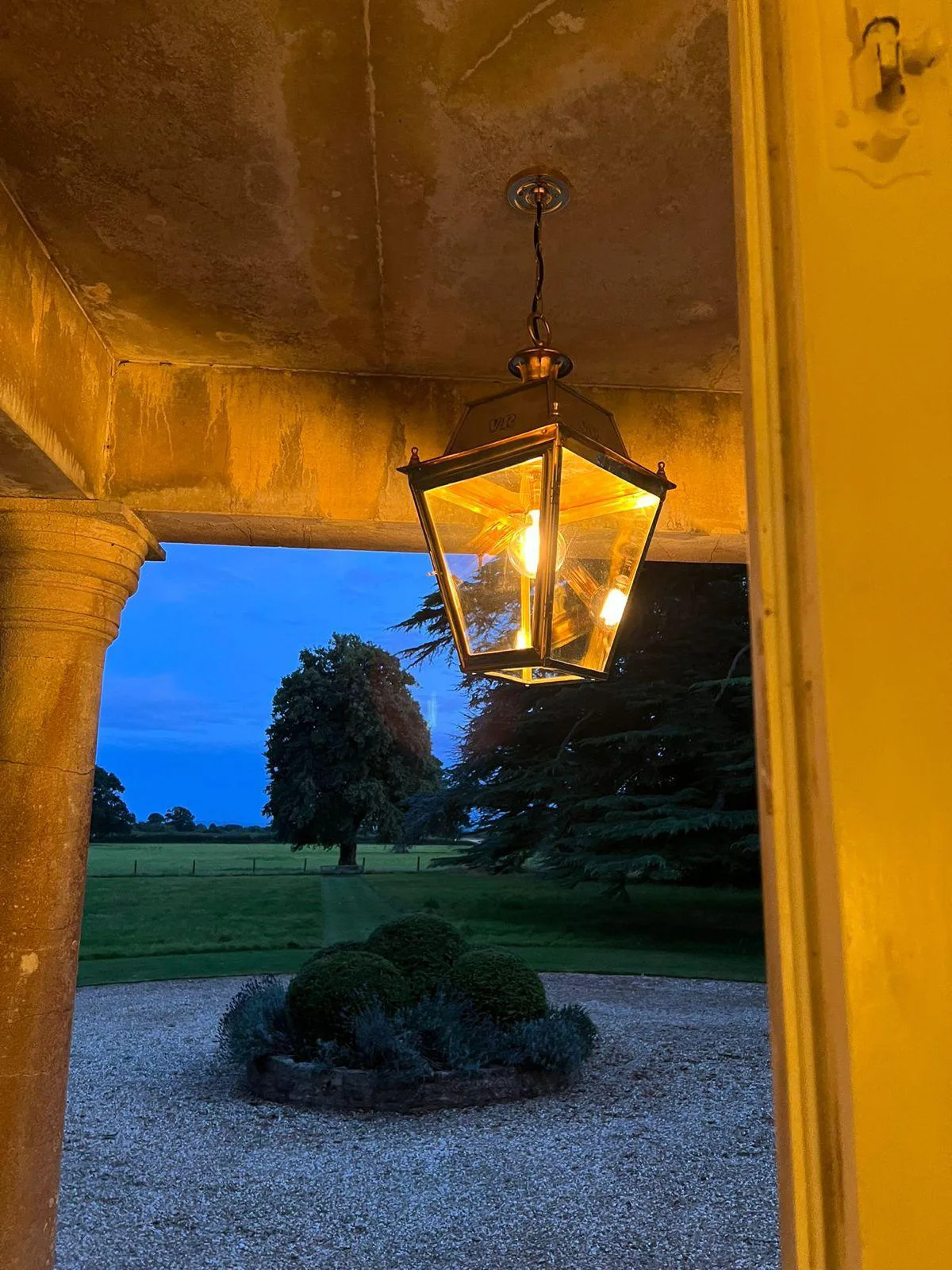
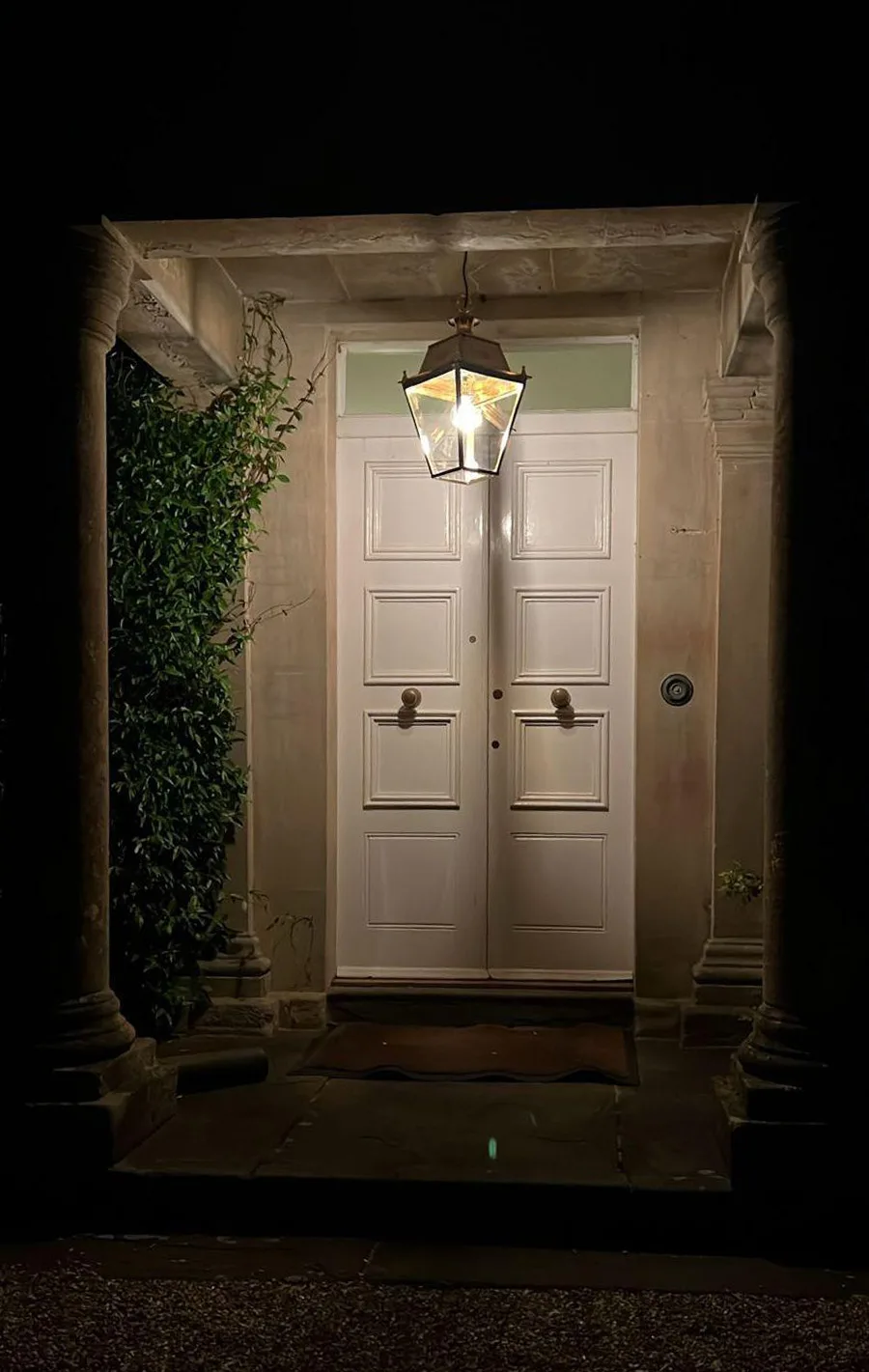
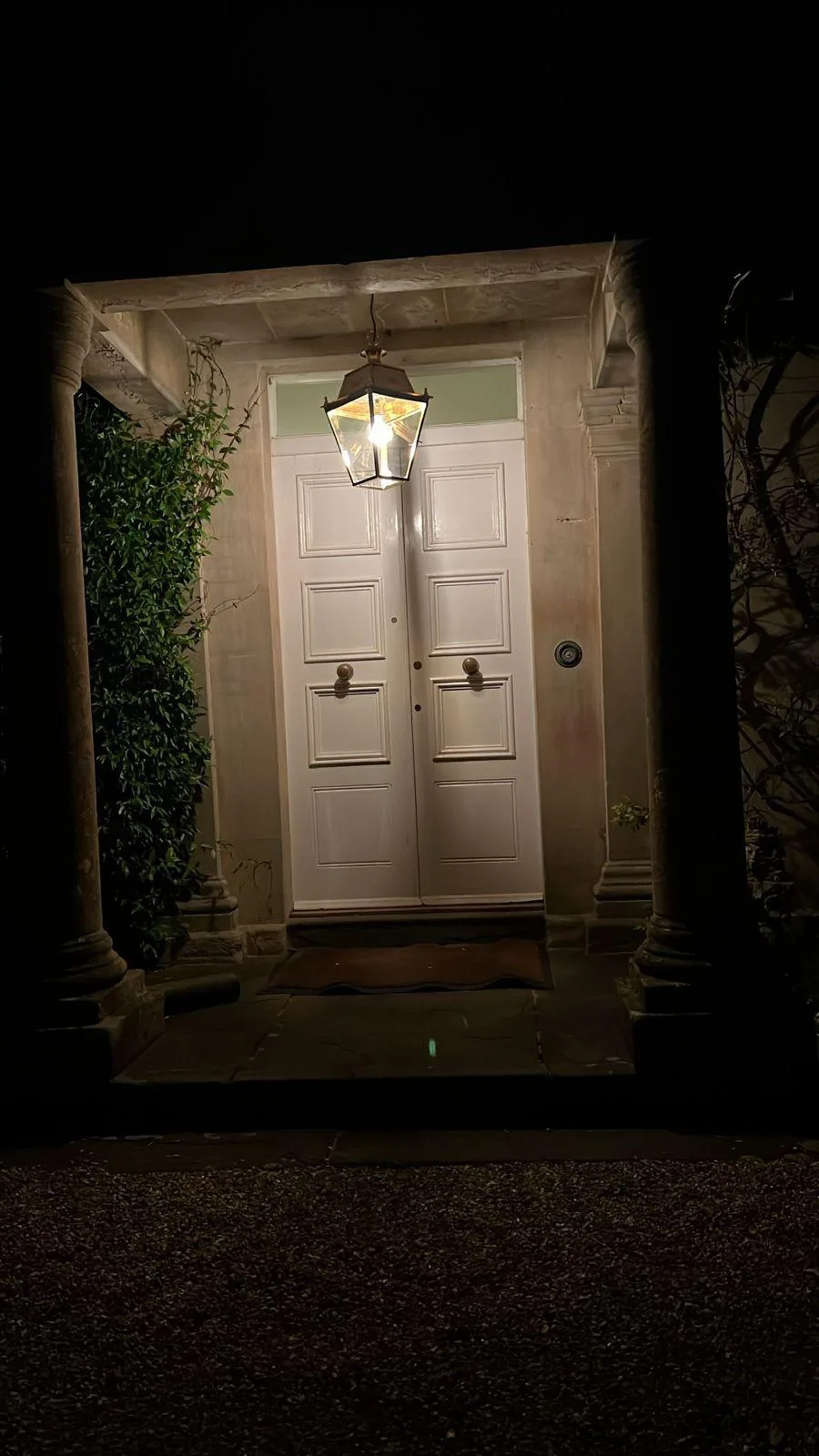
The lantern is back on the porch with copper and brass showing properly, a new chain that will not rust through the cable, and a proper earth path for the class 1 fitting. It emits more light than it did before because everything reflects off the metal now. Routine maintenance is straightforward: a damp cloth or gentle cleaner, no more sandpaper. The frontage of the building looks the way it was made to.
See our domestic electrical services across Bath and Wiltshire, or read about signs your property needs a rewire.
Gallery
Frequently asked questions
Can an old external light fitting be restored rather than replaced?
Usually yes, and it is often the better outcome on a period property. Restoration covers cleaning and polishing the metalwork, replacing the internal wiring and lamp holder, and bringing the earthing up to current standards. The fitting keeps its character while becoming electrically safe and compliant.
Why did the lantern fail its earth test?
Metal-bodied Class 1 fittings rely on a continuous earth path back to the consumer unit. On older fittings that path degrades through corrosion at the terminal, a perished flex, or a joint that was never properly made. The fitting still lights up, which is why the fault only surfaces on testing.
Do external lights need special protection?
Yes. Outdoor fittings need an appropriate IP rating for exposure, RCD protection on the circuit, and correctly rated cable and glands for the installation method. Coastal and exposed sites need extra attention to corrosion resistance. The earthing arrangement matters most on metallic fittings.
How long does a lantern restoration take?
Typically one to two weeks, though the work is usually staggered rather than continuous. Polishing and lacquering the metalwork happens off site, and the electrical work is a short visit at each end: removal and survey first, then rewiring, refitting, and testing once the restoration is complete.
Will restoration work on a listed building?
Restoration is often preferred on listed buildings precisely because it retains the original fitting. Replacing a period light with a modern one can require Listed Building Consent, whereas restoring what is already there usually does not. Worth confirming with the conservation officer before starting.