Antique Gas Lantern Restoration and Conversion in Corsham
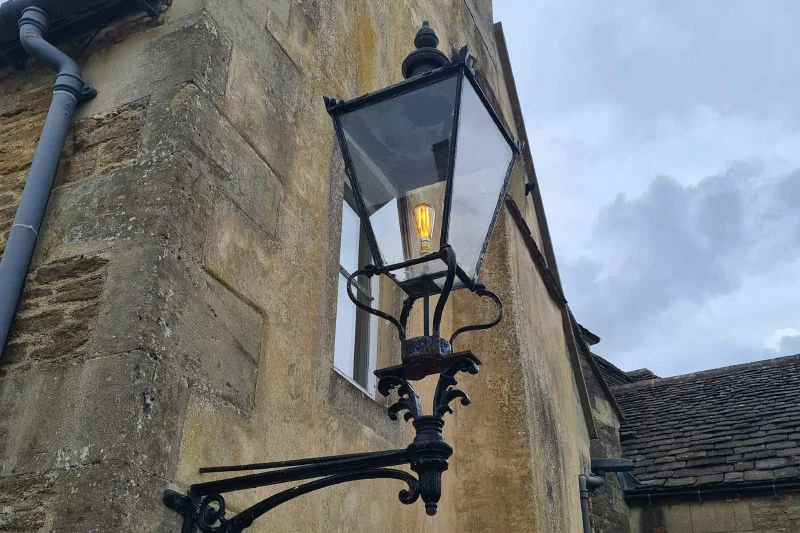
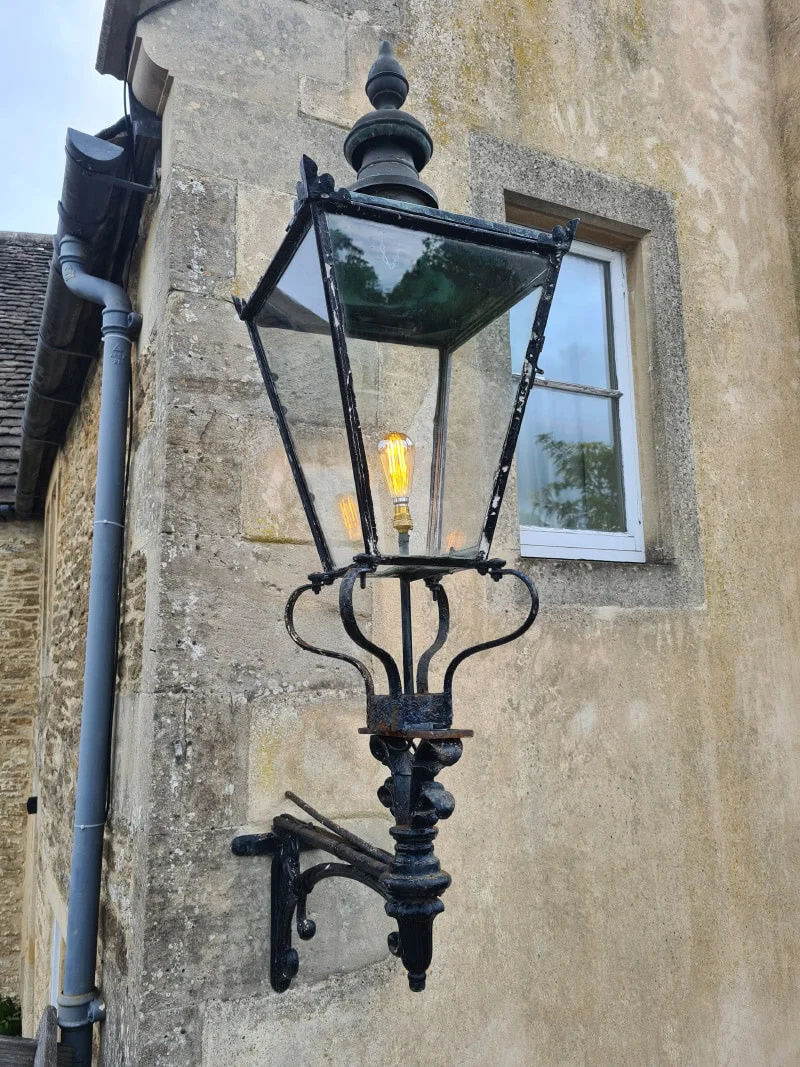
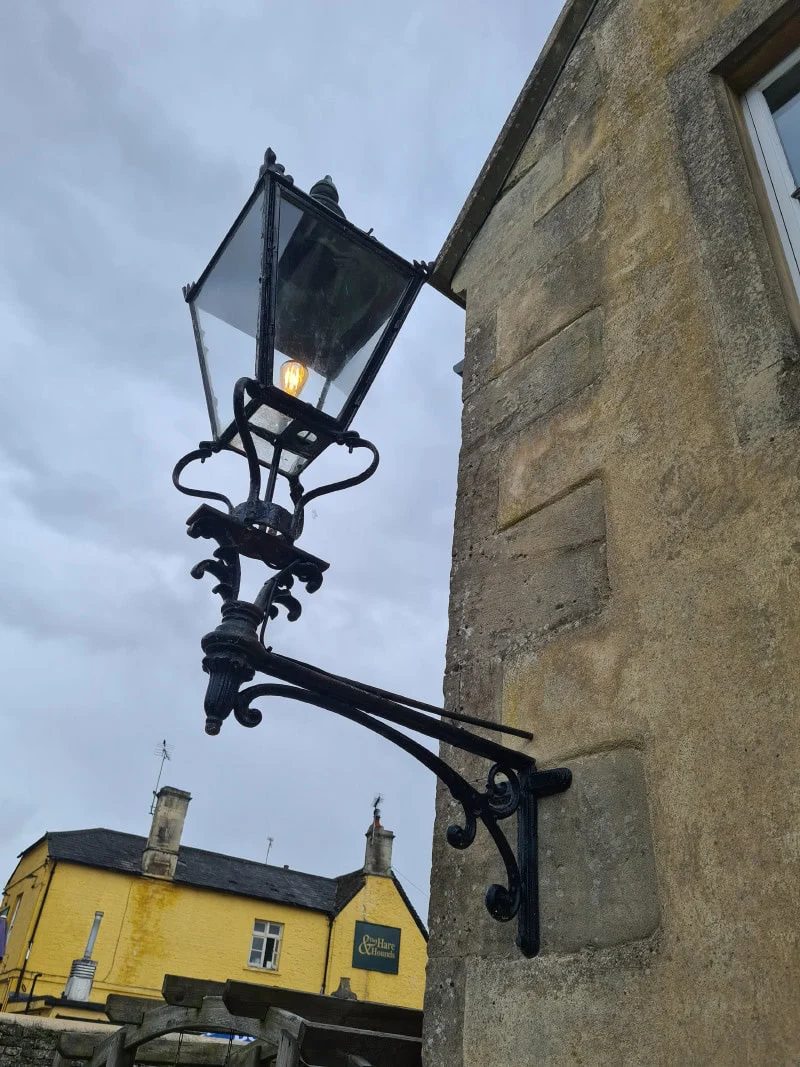
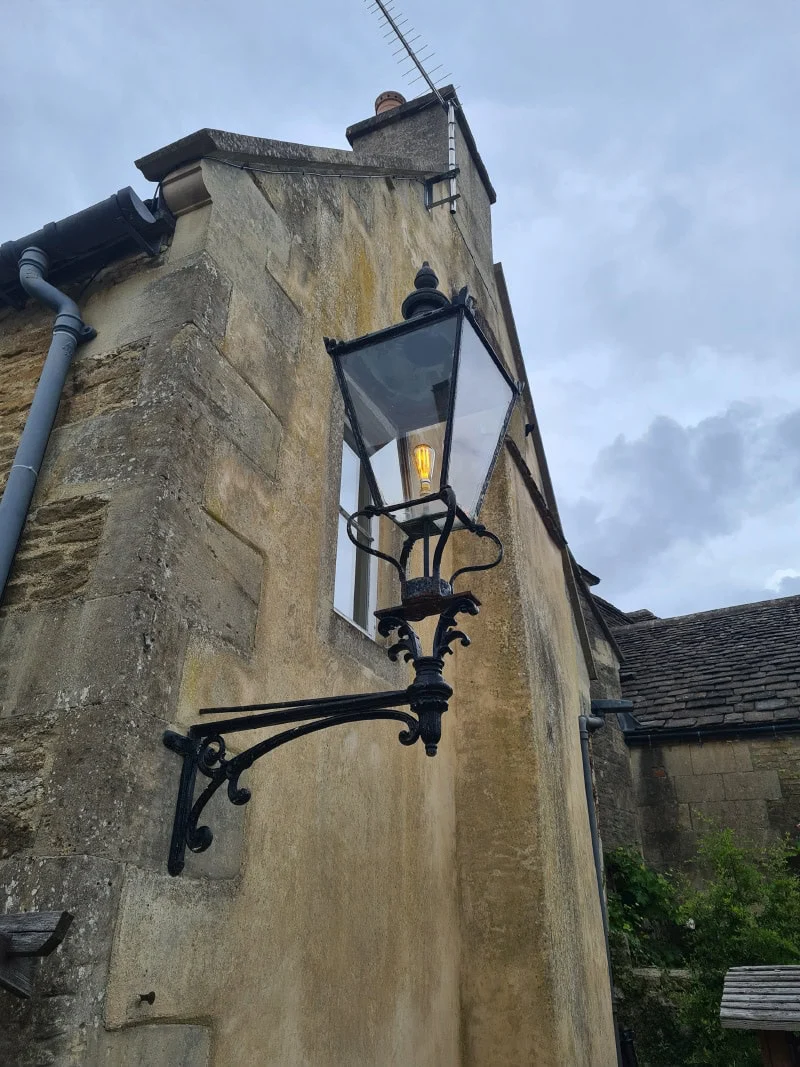
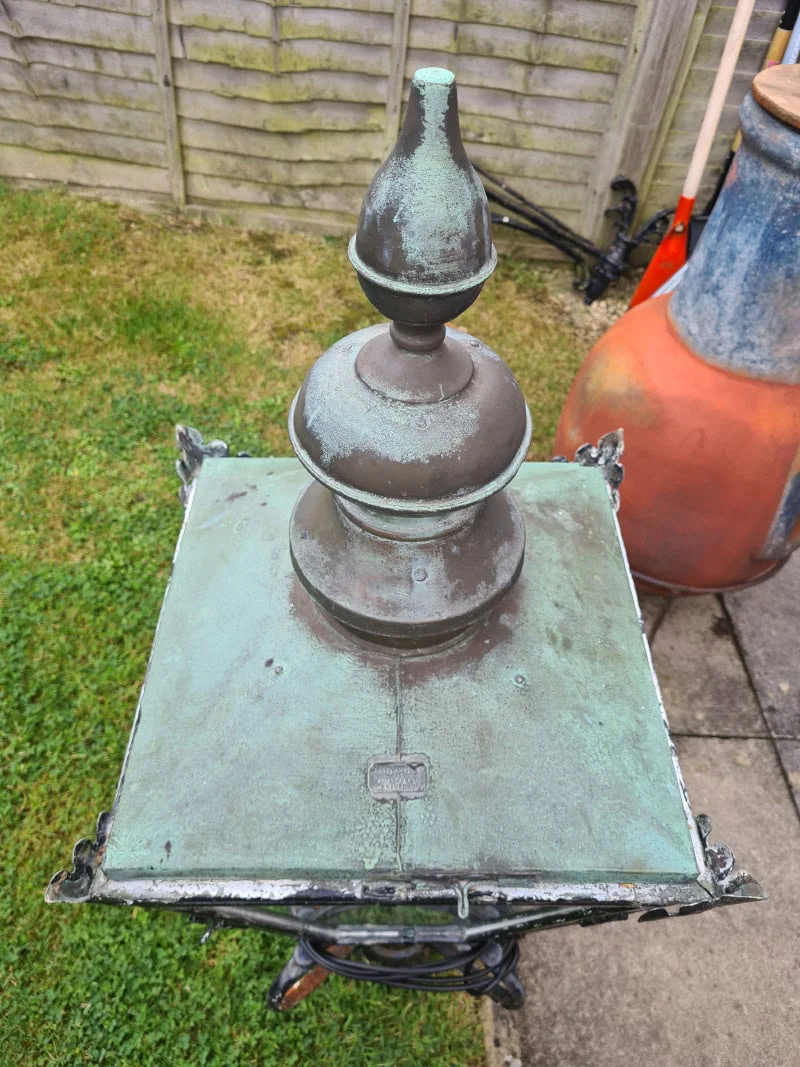
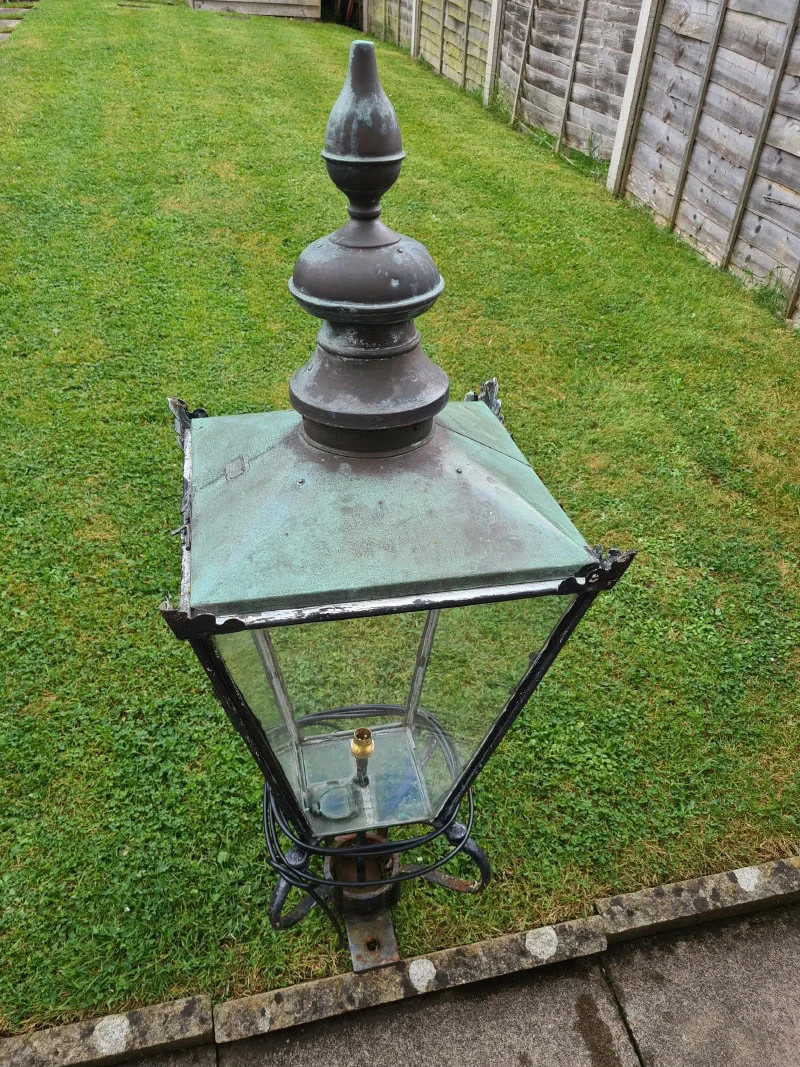
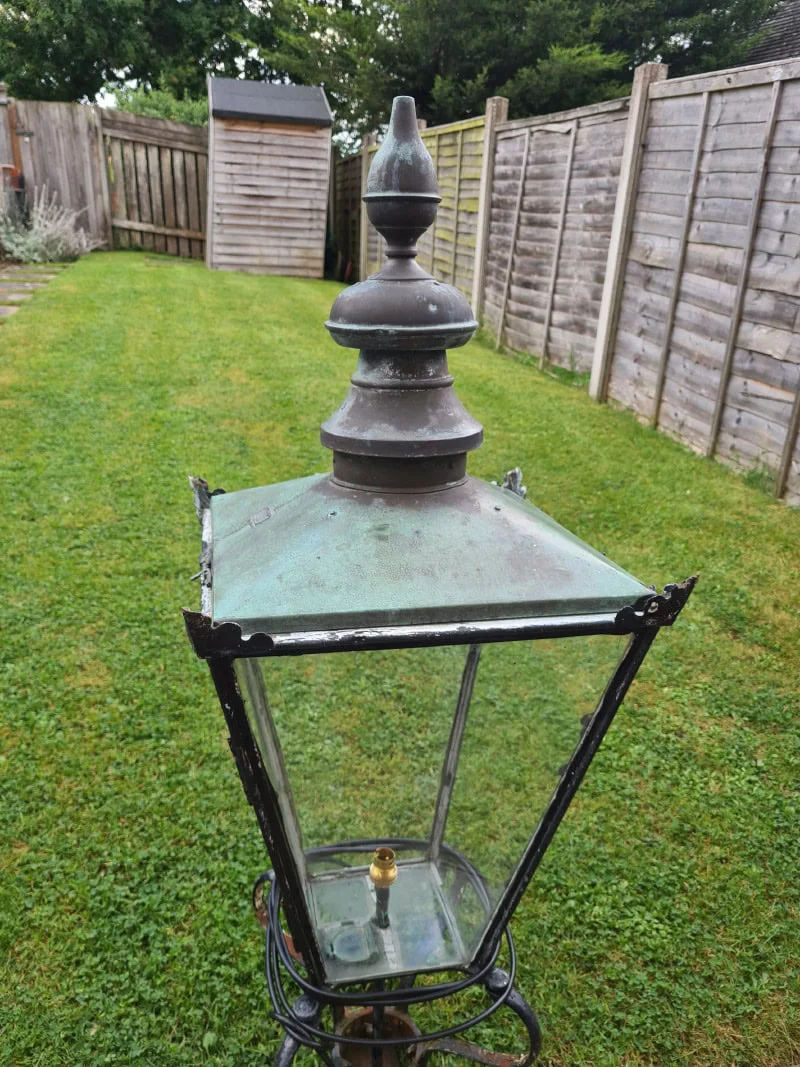
Nulectrics restored and converted a 19th-century Foster and Pullen gas coach lantern for a homeowner in Corsham, Wiltshire. The job replaced a non-compliant prior conversion with modern brass fittings, a squirrel cage LED lamp, and Quinetic wireless switching, keeping the antique aesthetic while bringing the wiring up to current regulations.
Products & Materials Used
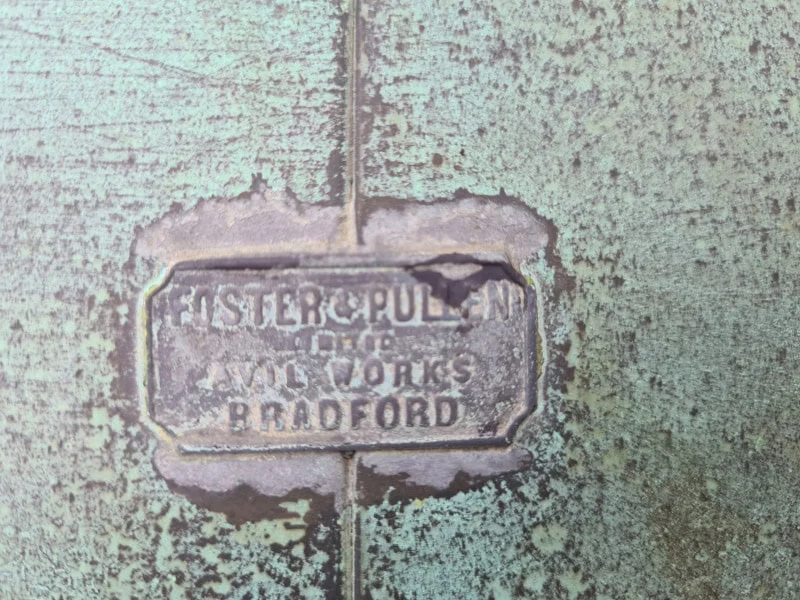
- Foster and Pullen 1896 gas coach lantern (original body)
- Quinetic 6A wireless receiver and switch module
- Squirrel cage LED Filament lamp
The Challenge: Converting a Gas Lantern Without Losing Its Character
Entrusted with the revival of a historic Foster&Pullen gas lit lantern from our clients in Corsham, we were excited to take on this unique project infused with heritage and technical challenges. The client, wanted to relocate this weathered old antique to their new property, keeping it inline with the original fittings from the 19th Century and convert it from the original gas to electric supply.
Correcting Non-Compliant Electrical Alterations
Originating from Foster&Pullen Ltd’s production line, one of the most famous street lighting manufacturers in the UK at the time, the lantern posed multifaceted challenges, particularly regarding non-compliant electrical alterations from a prior conversion. We addressed this by replacing the outdated lamp holder with a contemporary brass fixture, seamlessly integrating it with the lantern’s original design while adhering to modern regulatory standards.
Repurposing Original Gas Piping for Modern Electrical Cabling
Innovatively repurposing the existing gas piping for electrical cabling required meticulous planning, symbolically linking the lantern’s past gas usage from 1896 with its present electrical adaptation. Securing the lantern and its sturdy bracket required further amendments and customisation to ensure the anchoring techniques, guaranteeing stability.
Wireless Switching with a Quinetic Receiver
After rewiring the pre-existing lighting infrastructure, working with both it’s original gas pipes and the non-regulation electrical conversion, we integrated a Quinetic 6amp receiver and wireless switch module, enabling wireless control while honouring the lantern’s original aesthetic.
The Solution: LED Filament Lamp and Modern Brass Fittings
To preserve the lantern’s vintage charm through the conversion, while enhancing energy efficiency, we implemented a squirrel cage filament LED lamp, symbolising the seamless fusion of a traditional gas mantle , the gas version of an electrical / lamp filament.
Each stage of the refurbishment process was meticulously executed, ensuring optimal functionality, safety, and preservation of historical authenticity.
The Result: A Period Lantern That Looks Original and Runs Safely
In summary, we successfully revitalised, converted and restored this historic gas lit lantern from the 19th Century, harmonising technical prowess whilst keeping the style of it’s antique heritage. This project was outside of our day to day work and provided us with an enjoyable and meaningful test of how to use our knowledge of the electrical regulations to find solutions that can keep anything old and antique in use, bridging the gap between the lantern’s storied past and its vibrant future.
See our domestic electrical services in Corsham and Wiltshire, or read about signs a property needs rewiring.
Gallery
Frequently asked questions
Can a gas lantern be converted to electric?
Yes, and it is common on period properties. The gas components are removed and the fitting is rewired internally with a suitable lamp holder and cable, keeping the original body and glazing. The result looks unchanged from the street while being safe and far more practical to run.
Does converting a gas lamp affect its heritage value?
Done properly, minimally. The visible fitting is retained and the change is internal. On listed buildings or in conservation areas it is worth confirming the approach with the conservation officer first, particularly where the lantern is externally visible, but conversion is usually viewed more favourably than replacement.
What lamp suits a converted antique lantern?
A warm white LED, typically around 2200K to 2700K, approximates gaslight much more closely than a standard cool LED. Filament-style LED lamps suit lanterns with clear glazing because the visible element looks appropriate to the fitting. Dimmable options allow the level to be tuned to the setting.
Do I need permission to convert a lantern on a listed building?
Possibly. Listed Building Consent is required for works affecting special interest, and an externally visible lantern may qualify even where the change is internal. The safest route is a conversation with the local conservation officer before starting, which is usually straightforward for a sympathetic conversion.
How much does an antique lantern conversion cost?
It varies with the condition of the fitting and how much restoration the metalwork needs. The electrical conversion itself is a modest job; the variable is the restoration work alongside it and whether a new supply is required. A survey gives a firm figure rather than a guess.