S&P Domestic EV Charger Installation in Chippenham
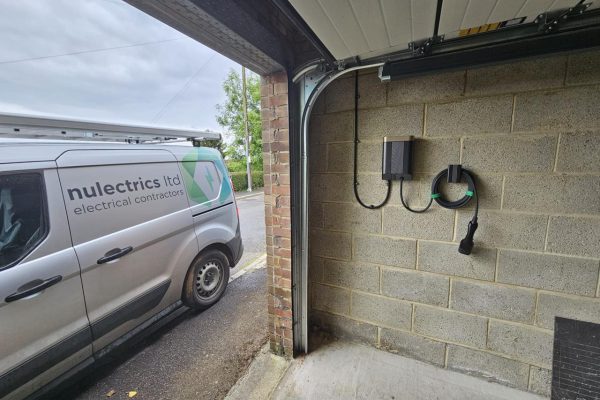
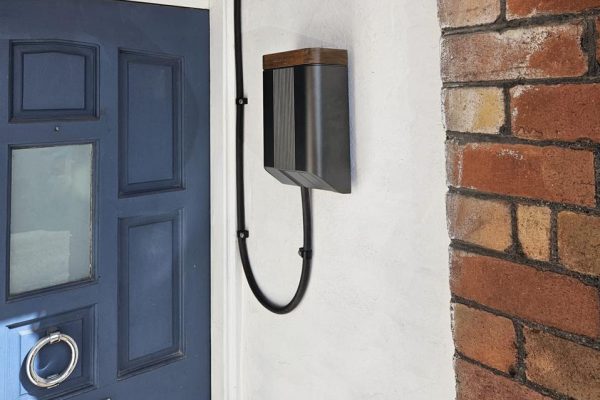
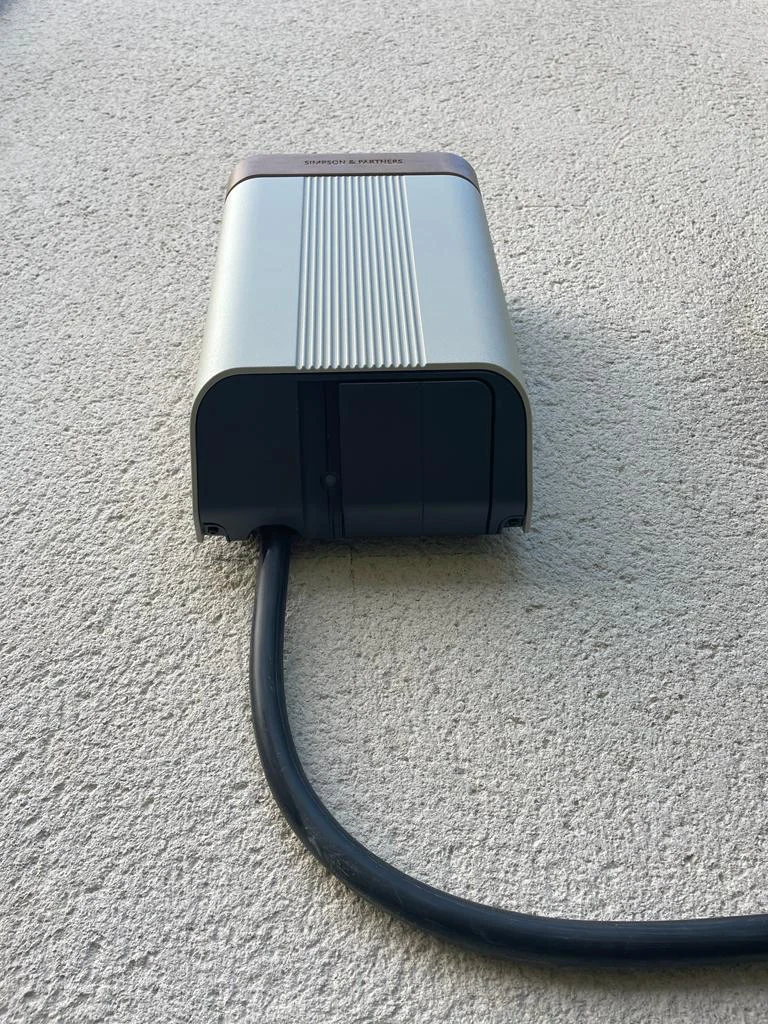
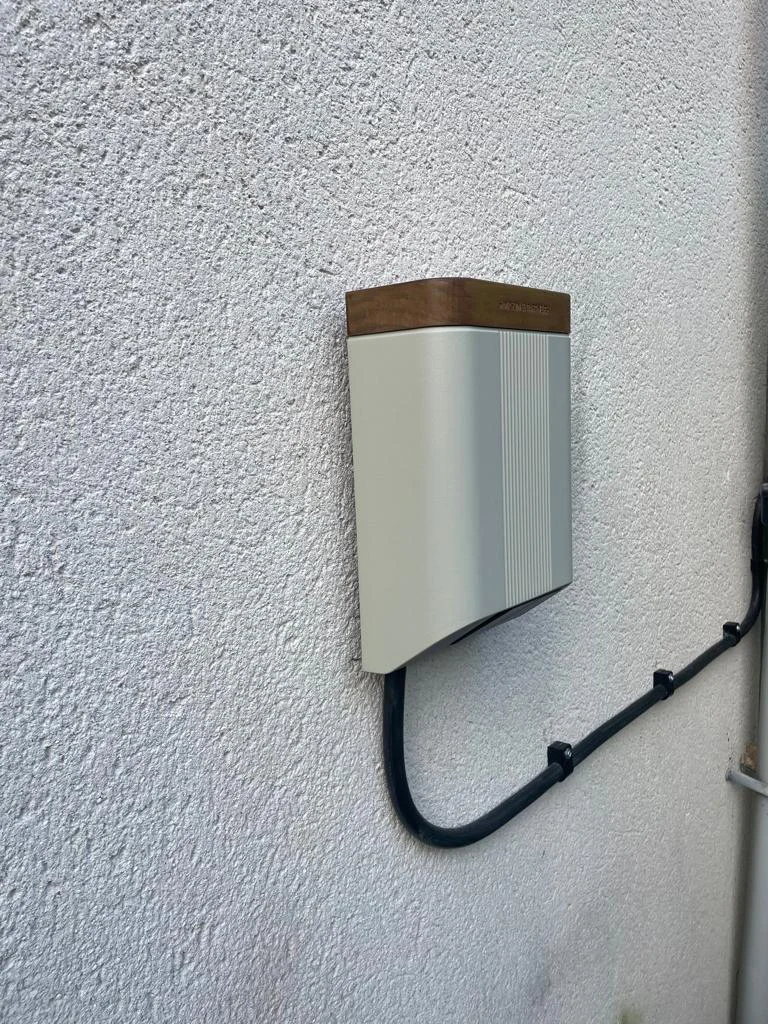
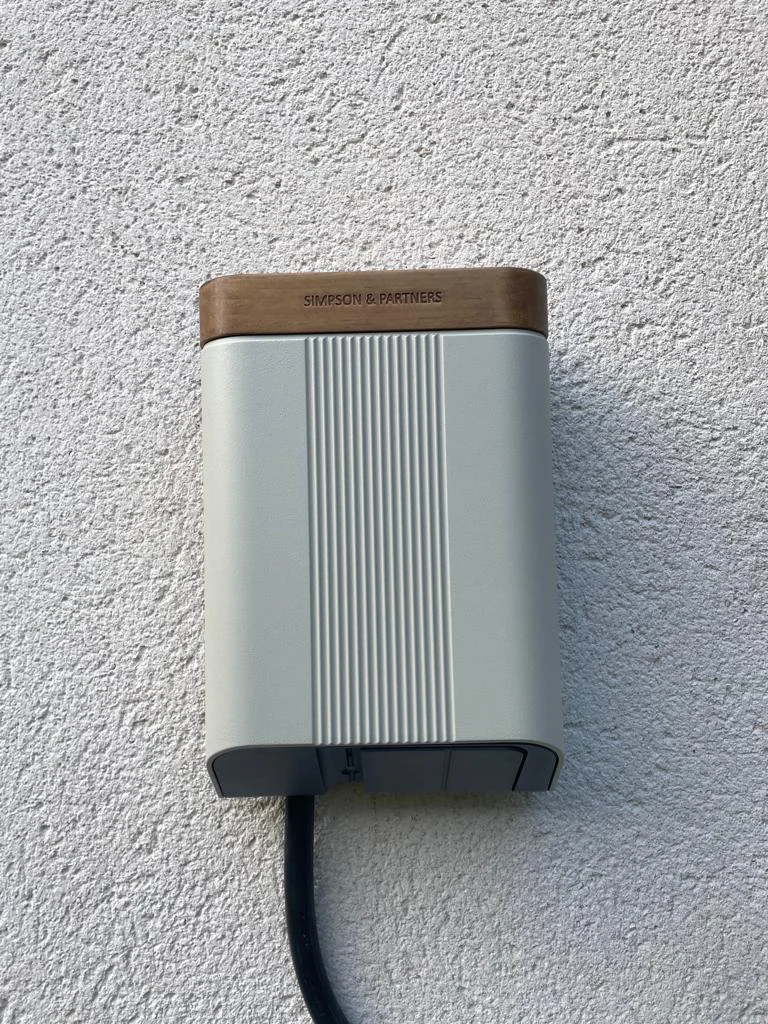
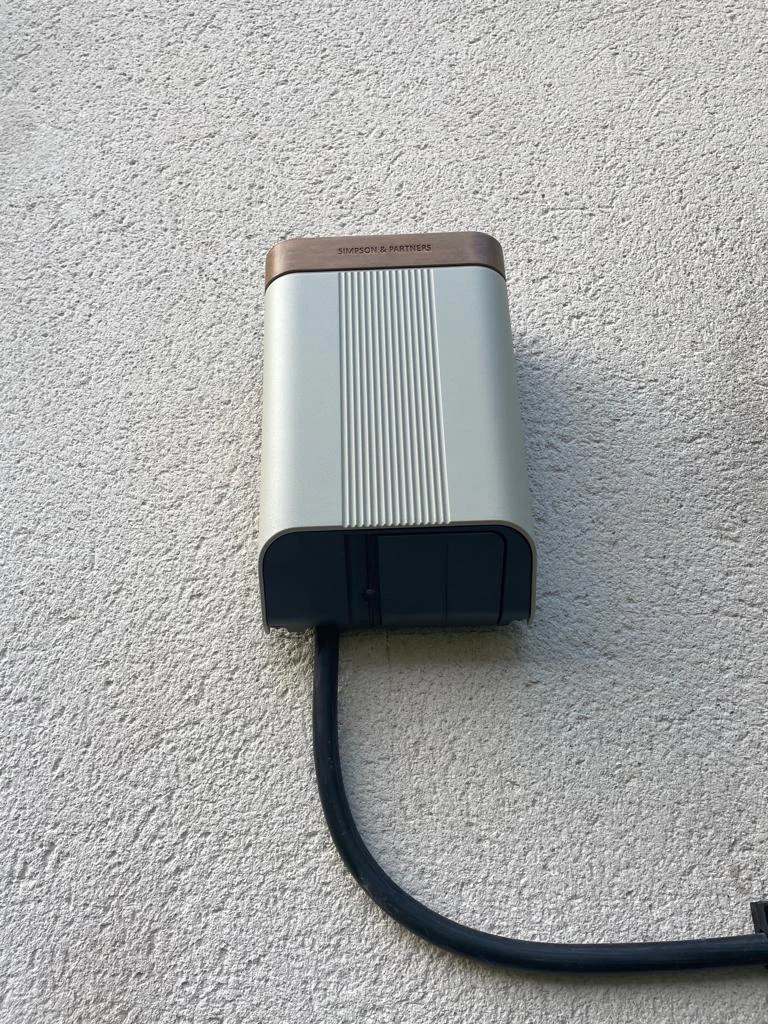
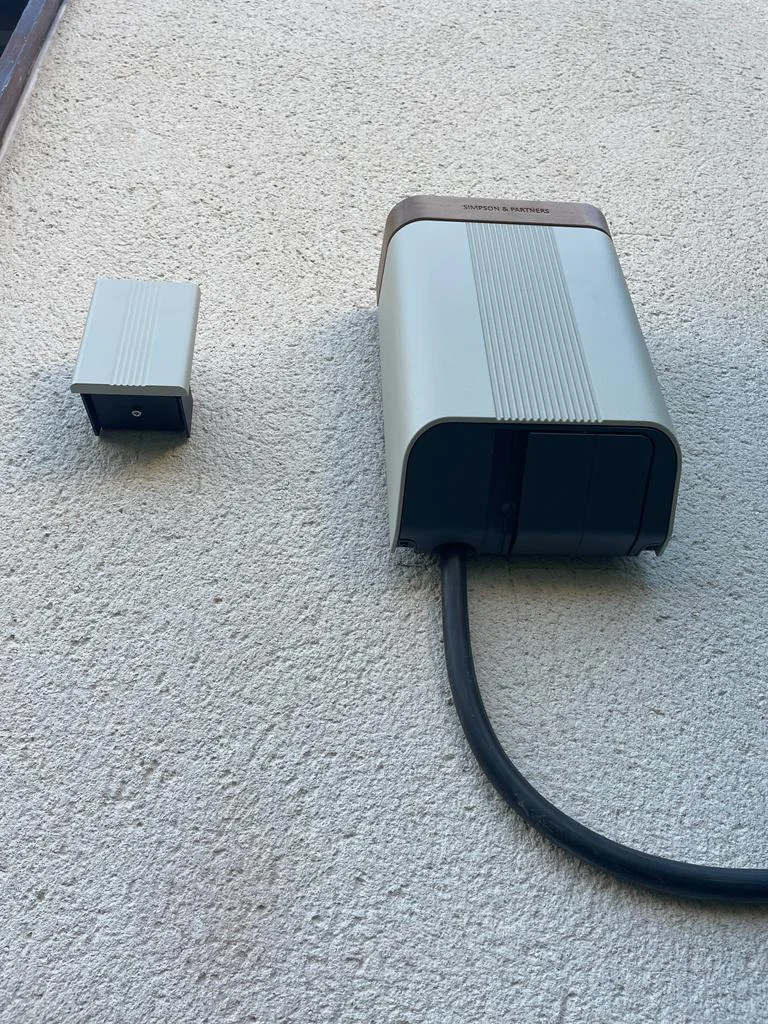
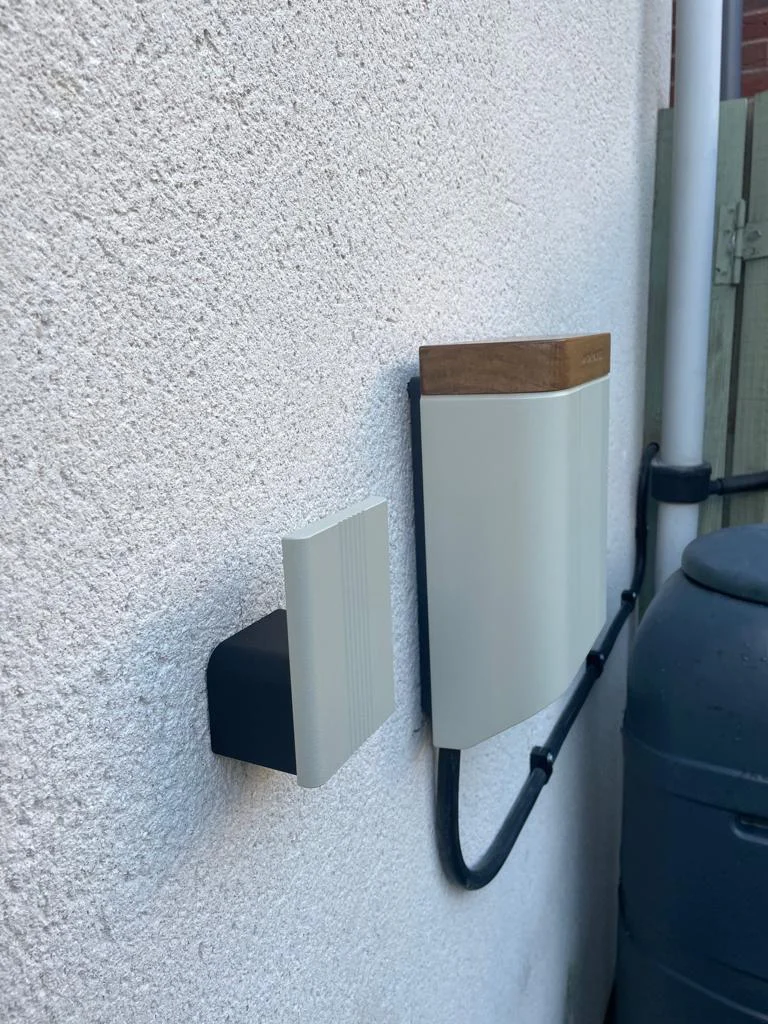
Nulectrics installed a 7kW Simpson and Partners untethered EV charger at a residential property in Chippenham, Wiltshire. The supply was routed through the property to the rear parking space to avoid disruption to interior decoration, and a cable hook was fitted to support the customer’s extra-long charging lead.
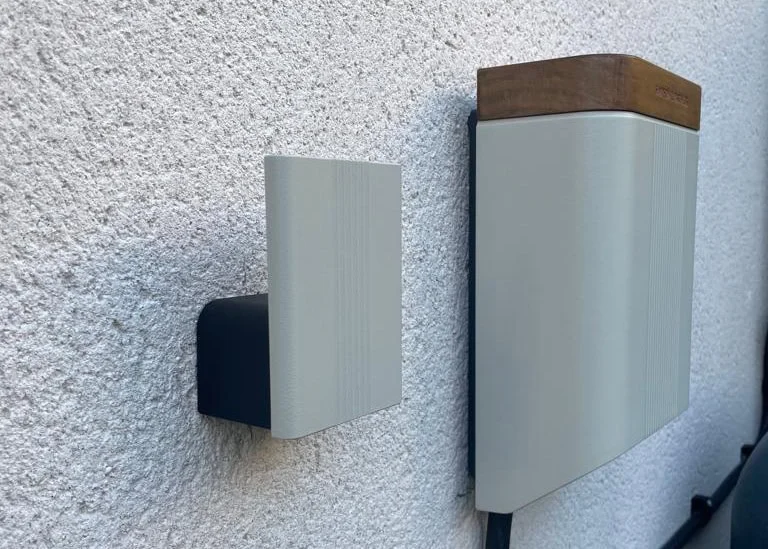
Products & Materials Used
- Simpson and Partners 7kW untethered EV charger (Neutral front, Mid Oak lid)
- RCD Circuit protection on the charger supply
The Challenge: Routing an EV Charger Supply to Rear Parking
Nulectrics installed a 7kW S&P car charger at a residential property in Chippenham. The project required routing the supply to the rear of the house to allow the customer to charge their vehicle from their designated parking space.
Routing the EV Charger Supply to the Rear Parking Space
The client did not have parking at the front of the property, so the charger supply had to be taken around to the rear. To make this possible without disrupting the interior walls or decoration, Nulectrics carefully routed the cabling and installed a cable hook for the client’s chosen extra-long charging lead.
Fishing Cable and Fitting an Untethered Charger
- Used fishing techniques and patience to guide the supply cable through the property without damage.
- Installed an untethered charger with a cable hook, providing flexibility for the customer’s parking arrangement.
The Solution
Nulectrics provided a one-day installation of a domestic EV charger tailored to the client’s parking setup. Key features included:
-
Rear-of-property installation
-
Untethered charger with cable hook for long charging lead
-
Safe, compliant installation with RCD protection
This gave the homeowner a reliable and flexible charging solution without altering the appearance of the property.
The Result: A Discreet, Reliable Home EV Charging Setup
This project delivered a practical and discreet EV charging solution. By adapting the installation to the property’s layout, Nulectrics ensured the customer could charge their electric vehicle safely and conveniently from their allocated parking space.
See our EV charger installation service in Chippenham, or check the current £500 chargepoint grant.
Gallery
Frequently asked questions
How long does a home EV charger installation take?
A straightforward installation takes half a day to a full day. That covers mounting the unit, running the supply cable, fitting the dedicated protective device in the consumer unit, and commissioning and testing. Longer cable runs, cavity walls, and consumer unit changes all add time.
Where is the best place to mount a home charger?
As close to the consumer unit as practical, while still reaching your parking position comfortably. Shorter cable runs cost less and lose less voltage. The unit should be at a sensible working height, protected from vehicle strike, and positioned so the cable does not cross a walkway.
Do I need to tell my electricity supplier about an EV charger?
Your installer notifies the Distribution Network Operator, not your supplier. A standard 7kW single-phase charger is a G98 notification, submitted within 28 days after installation. Anything larger, or that takes the property above 60A, needs G99 approval before work starts, which takes considerably longer.
What speed will a 7kW charger add?
Roughly 25 to 30 miles of range per hour on most vehicles, so a typical overnight charge fully replenishes a car from low. That is around three times faster than a standard three-pin plug, which is also not designed for sustained high-current charging.
Is a 22kW charger worth it at home?
Rarely. A 22kW charger needs a three-phase supply, which most homes do not have, and installing one is expensive. Many vehicles also cap AC charging at 7 or 11kW, so the extra capacity goes unused. For overnight home charging, 7kW is sufficient for almost every driver.